What makes a woman feel confident
What really makes a woman feel confident after 35
Why confidence feels different after 35
There’s a moment that happens somewhere after 35. You catch yourself in the mirror while brushing your teeth at 11:47 p.m., hair in a messy bun, pajama top half tucked, and you think, “When did my face start looking... tired even when I’m not?”
It’s not drama. It’s data. The small vertical line between the brows, the soft lines on the chest that weren’t there last summer, the way makeup sits differently on the skin.
I remember standing in my bathroom one night, eyeliner in one hand, phone in the other, scrolling through photos. My daughter walked in, looked at me and said, “Why are you frowning at your own face?”
I wasn’t frowning. I was studying.
Here’s what I’ve learned—as a woman, a founder in the beauty space, and someone who has watched thousands of women chase “confidence” the hard way.
Confidence is not a filter, a new serum, or the number on your jeans. Psychologists describe self-esteem as the subjective evaluation of your own worth—your quiet feeling of “I am enough,” even when the lighting is terrible and the scale is uncooperative.
It’s related to confidence, but it’s not the same thing. Studies show that what we call “confidence” can sometimes just be personality or mood, not actual ability or deeper self-respect. In fact, researchers have found that self-reported confidence often reflects traits like extroversion, while objective confidence (measured during tasks) reflects actual performance. Interesting, right?
So no, a new cream won’t fix your entire life. But—this is important—your reflection does affect how you move through the world. What you see in the mirror each morning becomes part of the story you tell yourself.
And that story is what we’re really working on.
Youthful skin and self-worth: what actually matters
The quiet link between skin and self-esteem
I’ve watched women smooth their chest wrinkles with one hand and apologize for “aging badly” with the other. As if time was a test they failed.
Let’s be honest. When our skin looks better—more rested, hydrated, smoother—we stand differently. We choose the lower-cut dress. We say yes to the beach trip instead of inventing a work emergency.
But I want you to understand something deeper: research on self-esteem shows that how we feel about ourselves affects nearly every area of life. One large review found that higher self-esteem is linked to better relationships, work, mental health, and physical health. Not perfect skin—self-esteem. Not zero wrinkles—self-worth.
So when we talk about youthful-looking skin, we’re not chasing a number on your birth certificate. We’re creating conditions where your brain doesn’t use your reflection as ammunition against you.
You know that silent monologue:
“Look at those lines. I look so old. I should have started earlier. I should have slept more. I should, I should, I should...”
My job, as I see it, is to help you interrupt that spiral. To give your skin enough care and protection that when you see yourself, you think something closer to: “Okay. I’m tired. But I look pretty good for tired. Let’s go.”
What the research says—and what it doesn’t
Let me be transparent. We don’t have clinical trials that say, “One chest wrinkle equals minus 3 points of self-esteem.” Life is not a cartoon.
What we do have is strong evidence that self-esteem is your overall sense of worth, and that this sense of worth is consistently connected to your health, relationships, and ability to handle stress. We also know from research that people with higher self-esteem tend to report better quality of life and resilience over time.
There’s also evidence that how we feel about our bodies changes as we age. One study found that self-esteem develops across the lifespan and is influenced by social roles, health, and how we handle challenges. That means it’s not just your age that matters—it’s whether you feel engaged, connected, and capable.
So no, we can’t say, “wrinkle in, confidence out.” But we can say this: your body image, your sense of attractiveness, and your daily care rituals all feed into that quiet internal “I’m okay” or “I’m not enough.”
And that’s exactly where skincare, sleep, and posture come in—not as magic, but as support.
Wrinkles, self-esteem, and the mirror test
The chest wrinkle moment
“When did this happen?”
A client asked me that, pointing at the vertical lines on her chest in a fitting-room mirror. She was trying on a silk camisole for a date. The dress was perfect. Her expression wasn’t.
“Last year my chest was smooth,” she said. “Did I just... sleep wrong for twelve months?”
Maybe. Side sleeping, friction, UV, collagen changes—age is clever and thorough. But what really bothered her wasn’t the skin change. It was the thought behind it:
“If my chest looks like this, who am I now? Am I less attractive? Less desirable? Less me?”
That’s the real pain point. Not the wrinkle. The story wrapped around it.
Researchers who study aging and self-esteem have found that self-esteem doesn’t simply collapse with age; for many people, it remains stable or even increases, especially when they feel competent and socially connected. But they also note that health problems and perceived physical decline can chip away at that stability.
So if you’re feeling a little betrayed by your chest in certain lighting, you’re not vain—you’re human.
The difference between fixing and caring
Here’s where I see women make a painful mistake.
They approach their skin from a place of punishment. They say, “I have to fix this,” instead of, “I want to care for this.” And you can feel the difference in your bones.
Fixing sounds like:
- “I can’t wear that top until this line is gone.”
- “I hate how I look when I wake up.”
- “I’ll feel good about myself when my skin looks better.”
Caring sounds like:
- “My skin has changed; I’m going to support it differently now.”
- “I deserve a routine that makes me feel taken care of.”
- “I can improve this and also still like myself today.”
That shift—from fixing to caring—is where self-esteem lives.
Body image after 35: updating the story
The invisible pressure we carry
I was at lunch with two friends, both over 40, both gorgeous in that lived-in, expressive way. One of them said quietly, while scrolling through her photos:
“My face doesn’t match how young I feel. It’s confusing.”
That “confusing” feeling is the gap between inner and outer image. We still feel 28 inside, but the mirror offers different numbers. And the world—let’s be honest—is kinder to faces with fewer lines.
Studies on body image and aging suggest that women often experience a shift from being seen to feeling invisible, and that this can affect self-worth. At the same time, self-compassion and acceptance are strongly linked to better mental health and less body dissatisfaction. In other words, how we talk to ourselves matters at least as much as what the mirror shows.
So what do we do? We update the story.
Rewriting your reflection script
Here’s a small, specific exercise I give my clients when they feel at war with the mirror.
For one week, every morning, you look at yourself and say out loud three things:
- Something factual about your appearance (“My eyes are puffy today.”)
- Something appreciative that is not about youth (“I like how strong my jawline looks when I’m serious.”)
- Something about your life that makes you proud (“I built a life where I can choose my own schedule.”)
It sounds trivial. It isn’t. Slowly, you teach your brain that your reflection is not just an evaluation of “pretty or not.” It’s a check-in with a whole person.
Research backs this up: self-esteem is shaped by our ability to manage challenges, maintain social roles, and feel competent. Your skin is one part of that picture—not the entire canvas.
The skin–sleep–confidence triangle
How sleep really shows on your face
I can usually tell how a woman sleeps just by looking at her chest and face.
Faint diagonal lines across one side of the chest? Side sleeper. Vertical creases in the middle that fade slowly during the day? Likely long-term compression during sleep. If your décolletage looks flawless by morning—check if you actually slept on your side.
Dermatology research is very clear about one thing: sleep quality is deeply connected to how the skin repairs itself. During the night, your body is busy with cell turnover, collagen production, barrier repair—the quiet work that lets you wake up looking “rested” instead of “recovered from a small disaster.”
But there’s another layer. Poor sleep doesn’t just dull your skin—it chips away at self-esteem and emotional resilience. Studies have shown that sleep problems are associated with more anxiety, depressive symptoms, and lower perceived quality of life. When you’re exhausted, everything feels harder, including liking your own face.
Side sleeping and chest wrinkles: what to do when you love your pillow
Let’s talk about the elephant—or rather, the side sleeper—in the room.
Yes, side sleeping can contribute to chest wrinkles over time because of constant mechanical compression. Your breast tissue, skin, and underlying collagen are being folded in the same way, every night, for years. The skin, eventually, stops bouncing back fully.
But here’s the problem: many of us sleep best on our side. Tell a dedicated side sleeper to lie flat on her back all night and you’ll get either a sad smile... or a middle finger.
So what do you do when your favorite position is sabotaging your chest, but changing it wipes out your sleep?
You work with your body, not against it.
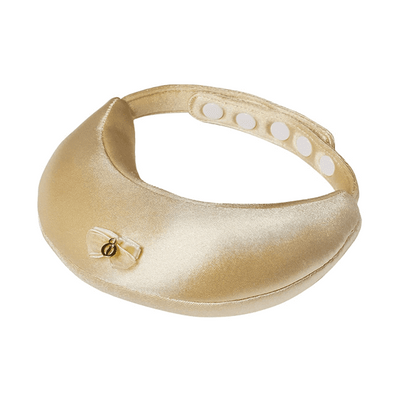
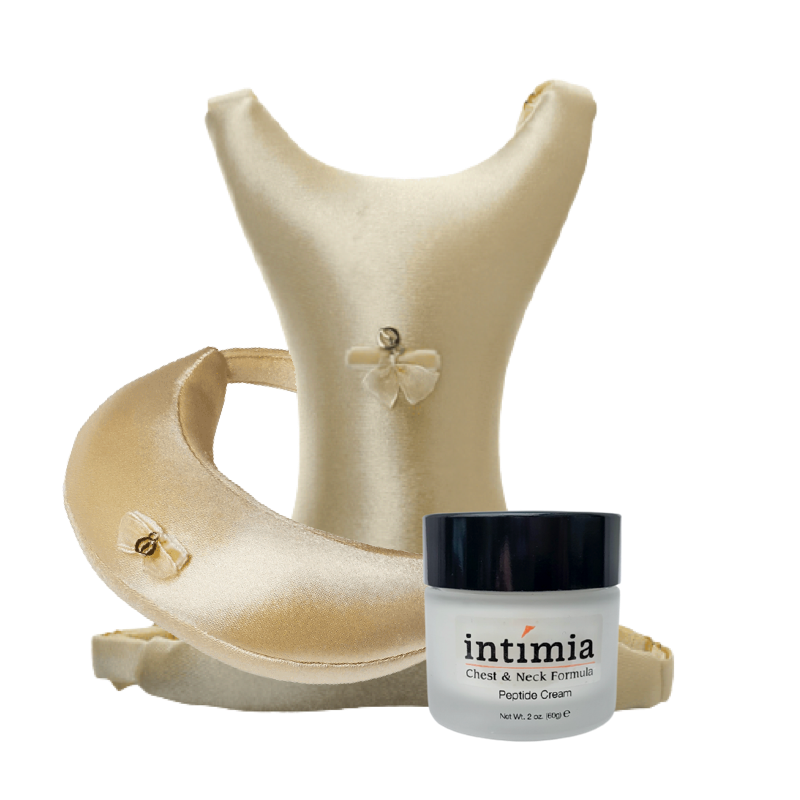
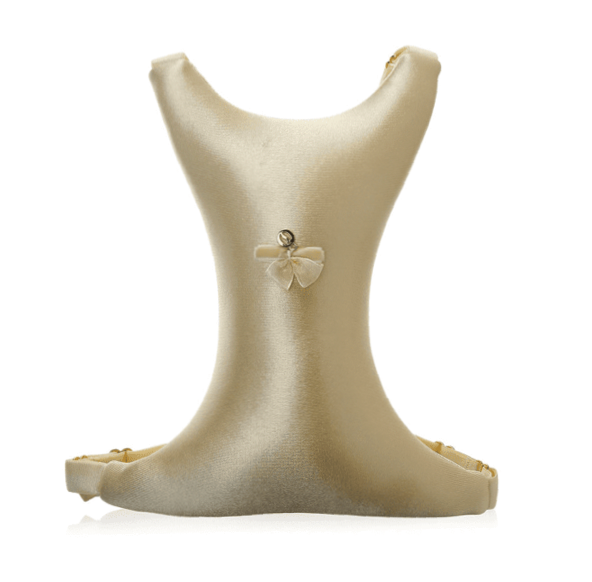
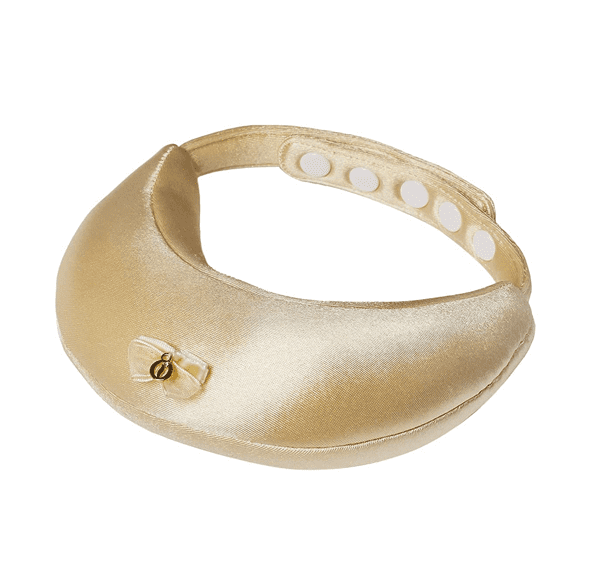
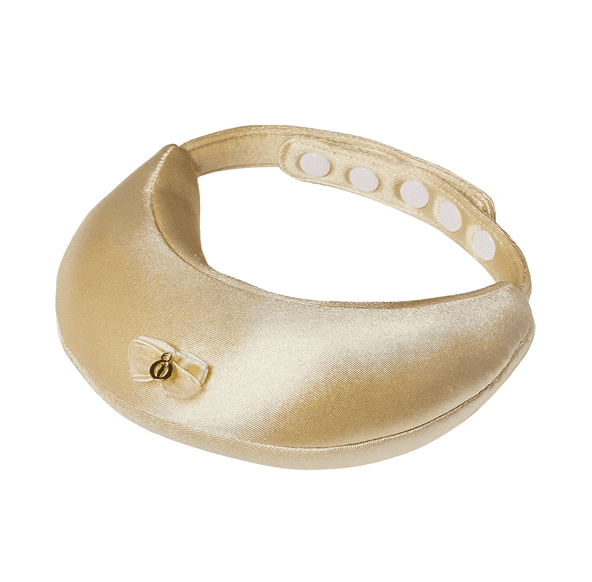
- You support your chest and neck so the skin isn’t creasing deeply, even if you turn.
- You choose pillows and sleepwear that reduce friction instead of dragging on the skin.
- You accept that “perfect” is not the goal—better is.
I’ve had countless women tell me, “I tried to sleep on my back. I woke up angry at everyone and went back to my side.” That’s not failure. That’s data. You build around your reality, not your fantasy self.
Micro-habits that quietly lift your confidence
The 5-minute evening ritual
Here’s the routine I fall back on when life is chaotic and I have approximately three brain cells left at night.
1. Water first, not doomscrolling.
I fill a glass of water before I even look at my phone. Small act, big message to my brain: “We care for this body.”
2. Cleanse like you’re removing the day, not your worth.
No scrubbing like you’re angry at your pores. Gentle, thorough cleansing. I imagine I’m wiping off other people’s opinions, too. Sounds silly. Works.
3. One product for your face, one for your chest and neck.
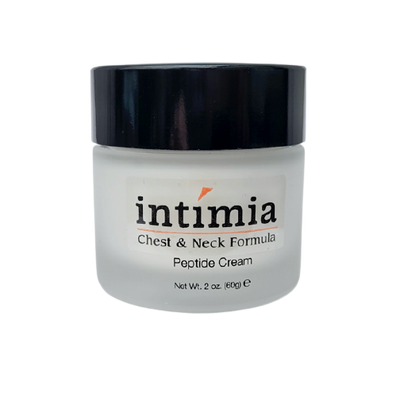
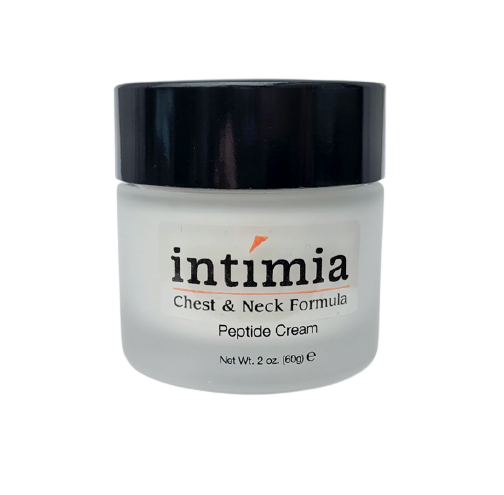
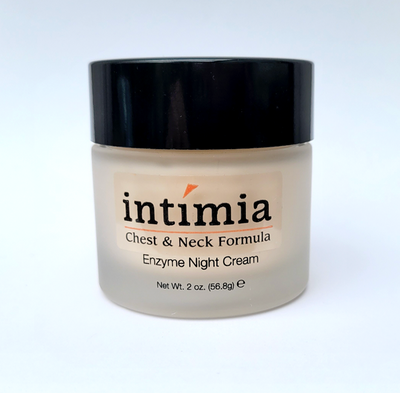
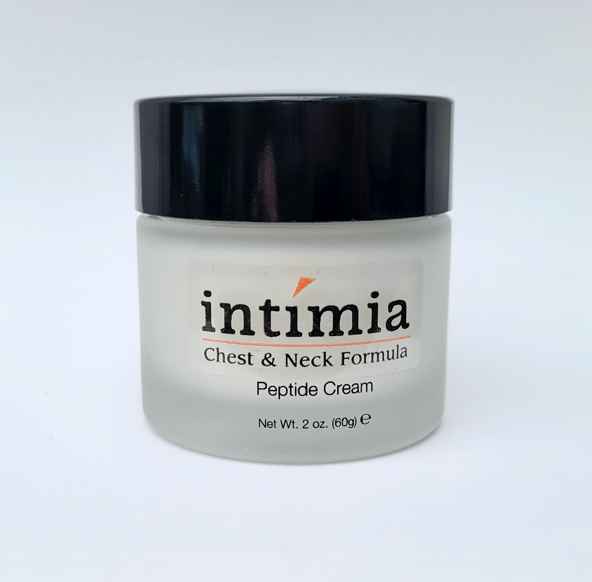
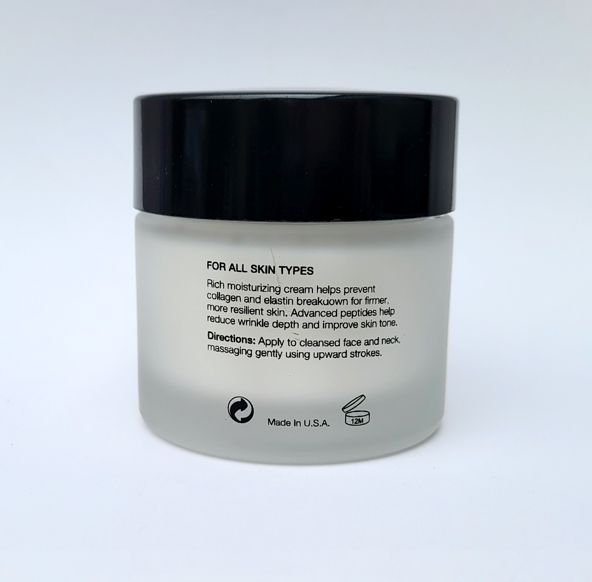
I don’t want you to need ten things. I want you to choose one good, hydrating, reparative product your skin likes and commit. The chest gets its own attention—it’s the most neglected yet most exposed area once we pass 35 and start loving V-necks and open shirts.
4. A 30-second touch check.
Quick scan with your fingers: any new rough areas, deepening lines, sensitivity. Not to obsess. To notice. To say, “I’m paying attention.”
5. One thought of gratitude for your body before sleep.
“Thank you, legs, for carrying me through twelve hours.” “Thank you, hands, for working, cooking, hugging.” That’s not woo-woo. That’s neuroplasticity. You are teaching your mind to see your body as an ally, not a problem.
Posture, presence, and the way you walk into a room
If you want a free, instant “anti-aging treatment,” here it is: stand up as if you are about to tell someone no.
Shoulders back—not forced, just aware. Chest open, chin parallel to the floor. Relax the jaw.
Posture does two things at once:
- Visually, it lengthens your neck, smooths some of the natural folds, and changes how your chest skin sits in clothes.
- Internally, it signals confidence to your brain. Social psychology research has long explored how body posture affects our sense of power and mood—your body position feeds back into how capable and confident you feel.
I’ve seen women go from apologetic to magnetic just by adjusting how they stand. No injections. No filters. Just a spine that remembers it’s holding up a whole life, not just a body.
When things don’t go as planned
The “bad mirror day” protocol
You know those mornings when nothing works? Your skin looks dull, your chest lines seem deeper, your jeans are tighter, and your mood is somewhere under the rug.
Here’s my personal protocol for those days:
-
Reduce the mirror time by 50%.
You don’t need to study the “problem” from 18 angles. Do what you need to do and step away. -
Upgrade one tiny thing.
Maybe it’s a brighter top, a bolder lip, extra hydration for your chest. One visible act of care. Not to hide. To signal, “I am worth a bit of effort.” -
Move your body for five minutes.
Stretch your arms wide, roll your shoulders, walk to the end of the block. Get blood moving; it changes how your face looks and how your brain feels. -
Say something kind to a friend.
Text another woman, “You looked beautiful in that photo you posted yesterday.” Generosity has a sneaky side effect: it softens how harshly you judge yourself. -
Make a micro-plan for tonight.
“Tonight I will wash my face slowly and apply my chest cream with intention.” Tiny and specific. You go to bed knowing you have a plan, not just a complaint.
When self-care feels like a chore
A woman once told me, “I know I should care more. I just feel tired of managing my own face.”
I get it. Between work, family, aging parents, teenagers, deadlines—it can feel like one more task on a list that never ends.
Here’s the reframe that helped her:
Self-care is not a performance. It’s maintenance for the only home you’ll ever live in.
You don’t brush your teeth to impress your dentist. You do it so you can eat and smile comfortably. Same with your skin, your sleep, your posture. You’re not doing it to meet some impossible standard of “agelessness.” You’re doing it so your physical self doesn’t get in the way of your actual life.
So that when you walk into the meeting, the date, the brunch—you’re not busy thinking about your chest wrinkles. You’re thinking about your ideas, your stories, your joy.
Building a confidence toolkit that actually fits your life
What goes in your toolkit
Think of confidence not as a mood but as a toolkit. On some days, you’ll need different tools.
Here are the ones I keep, and suggest to every woman over 35:
- A realistic skincare routine you can follow even when tired—focusing on hydration, barrier support, and gentle anti-aging where needed.
- Sleep support that respects how you actually sleep—side, back, restless—and protects your skin as much as possible.
- Two or three outfits you feel amazing in on “I hate everything” days.
- Language rules for how you speak about your body, especially in front of kids or friends. No “I’m disgusting.” No “I look awful.” If you wouldn’t say it to your best friend, it’s banned.
- A small ritual (tea, stretch, journaling, or just washing your face slowly) that tells your nervous system: “We’re safe. We are cared for.”
What the research quietly confirms
The science can’t tell you which serum to love. But it does tell you this: your overall self-esteem—your feeling of “I am worthy and capable”—is more than a beauty issue.
Across many studies, higher self-esteem consistently predicts better mental health, better relationships, and better physical health. And it’s shaped, little by little, by how you treat yourself. Not once a year at a spa—but every evening at your bathroom sink, deciding whether you’ll rush angrily or move with a bit of tenderness.
Closing thoughts: the woman in the mirror
I want you to imagine something.
You’re standing in front of your mirror tomorrow morning. Same face. Same chest. Same lines, more or less.
The difference isn’t in the reflection—it’s in the way you look at her.
You notice the faint crease on your chest from side sleeping and think, “Okay. You lived another night. We’ll put some care there.” You see the softness at your jaw and remember laughing too hard at dinner last night. You run your fingers over your skin not to hunt for flaws—but to check in, like you would with someone you love.
You are not chasing 25. You are claiming this age, this body, this moment, with as much grace and humor as you can gather.
You deserve youthful-looking skin. You deserve better sleep. You deserve a chest that doesn’t make you wince in dressing-room lighting.
But more than that—you deserve to meet your own eyes without apology.
And if, one morning, you find your décolletage looking suspiciously perfect, smooth, untouched—maybe smile, touch it gently, and then double-check whether you actually slept on your side. Life, after all, is in the little imperfections we earn along the way.
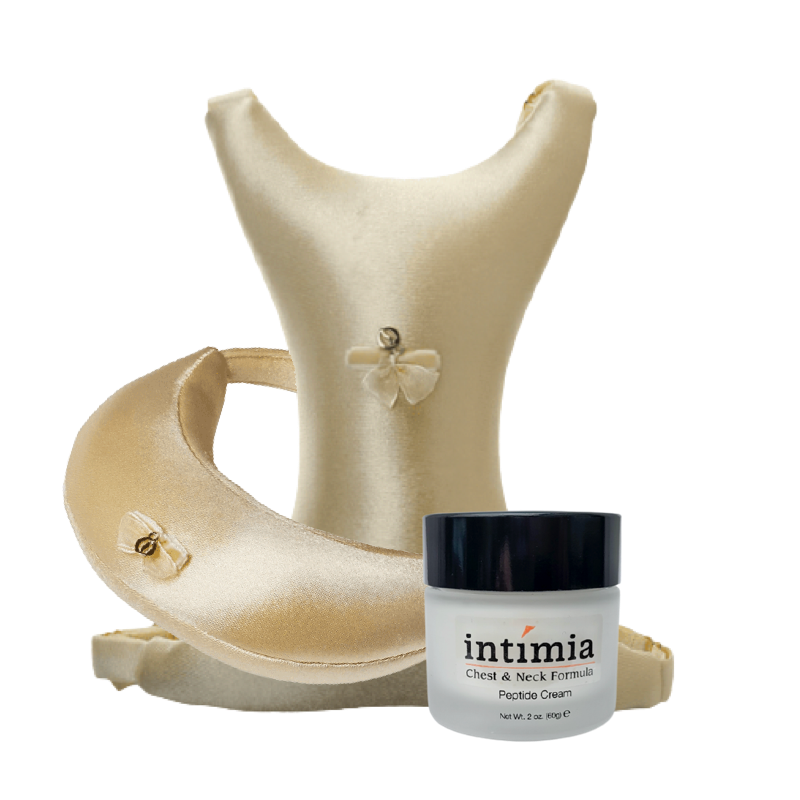
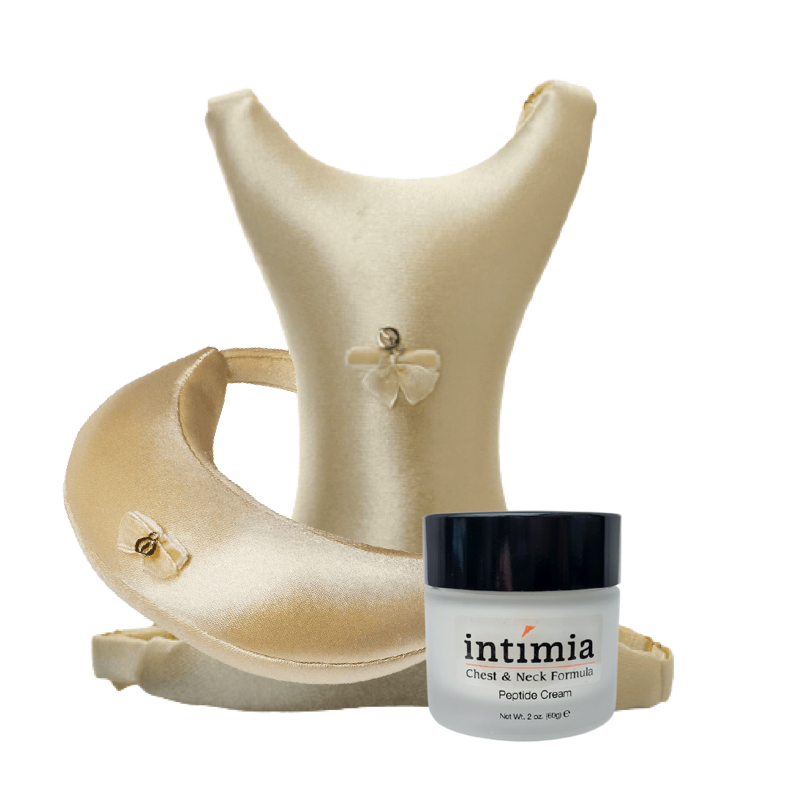
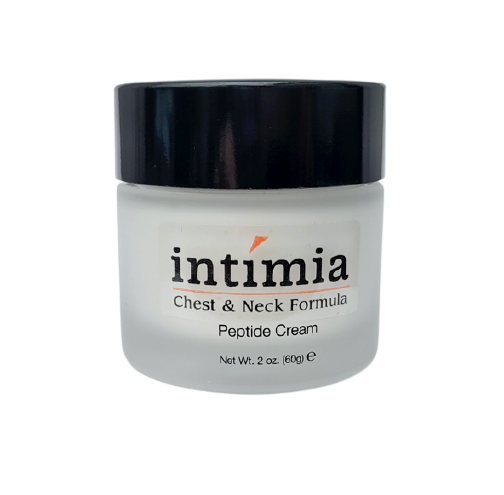
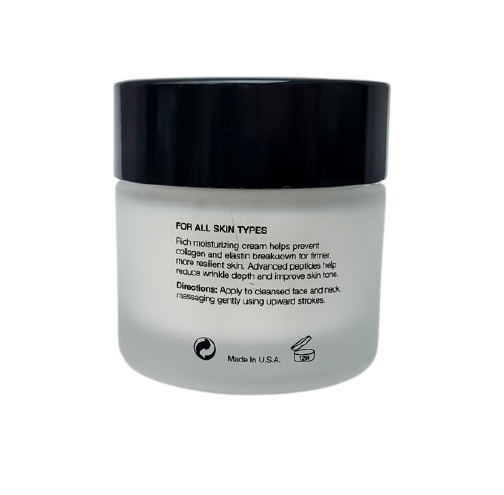
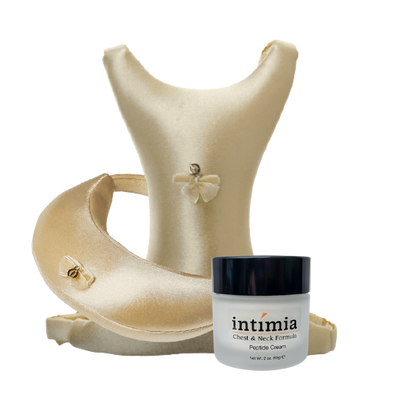
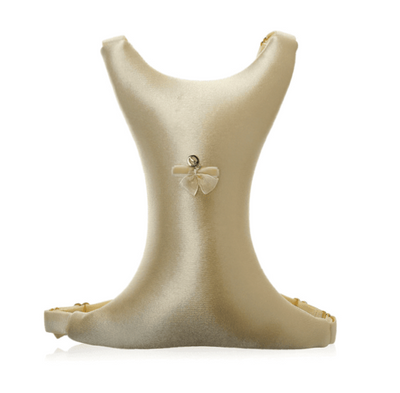
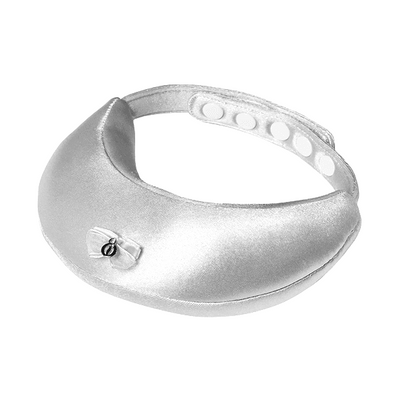
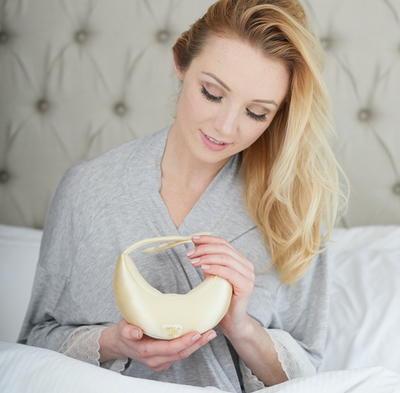
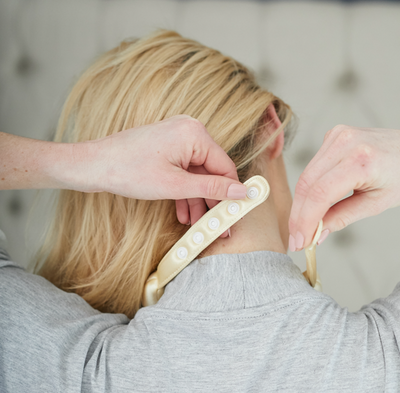
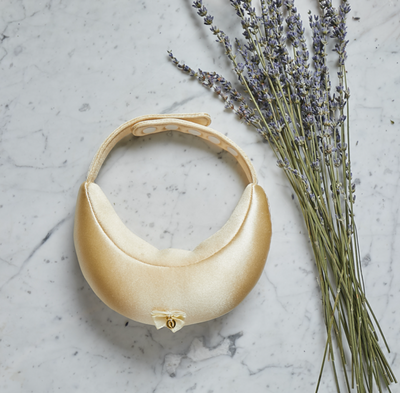
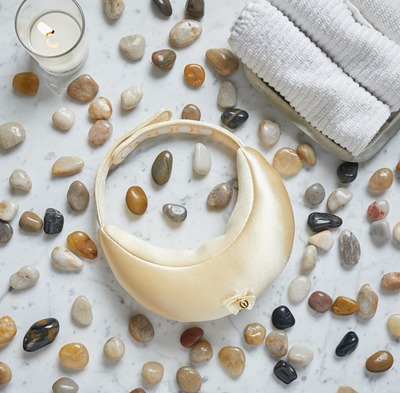
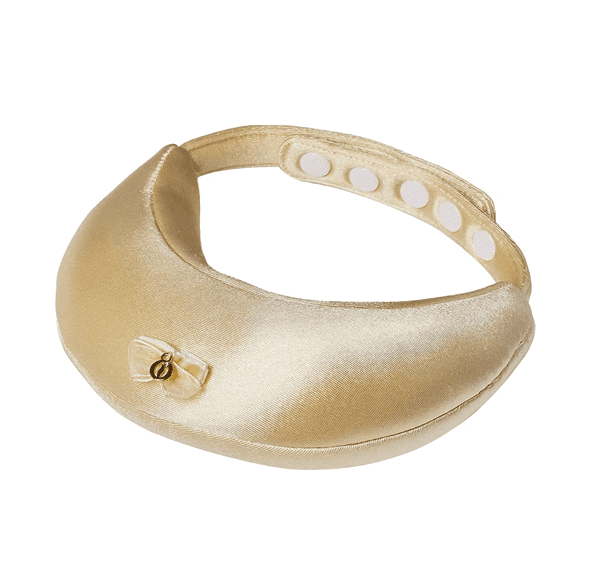
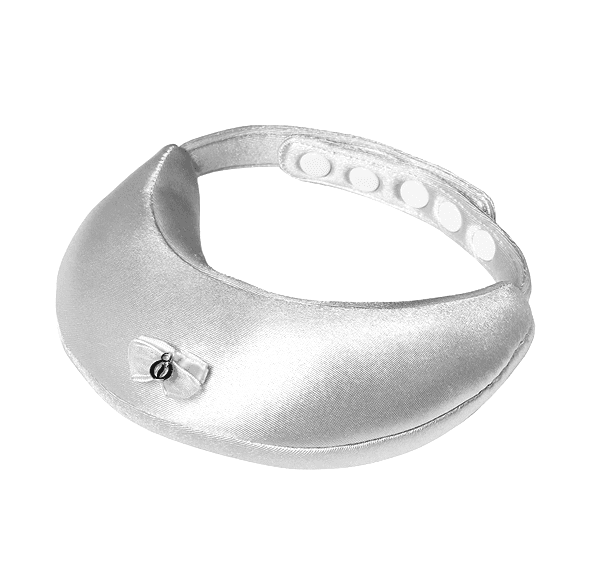
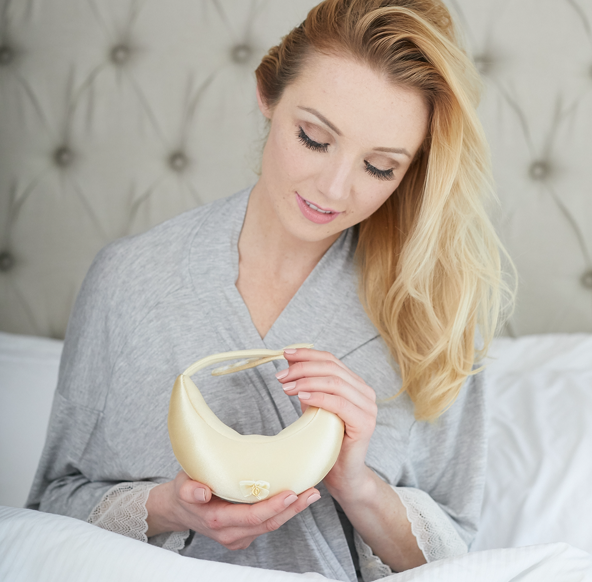
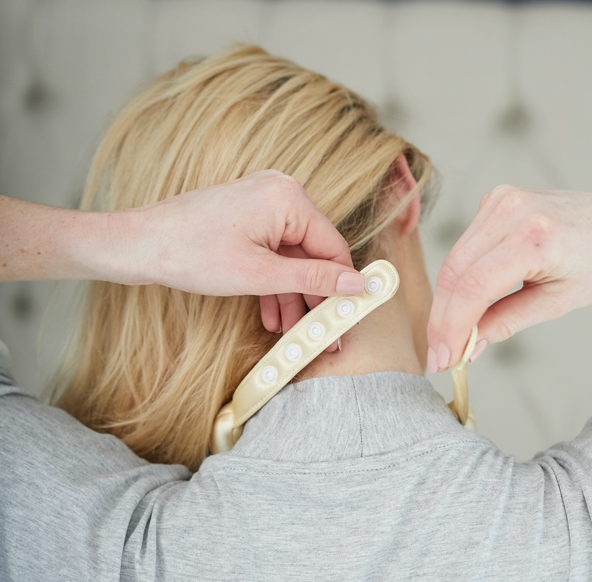
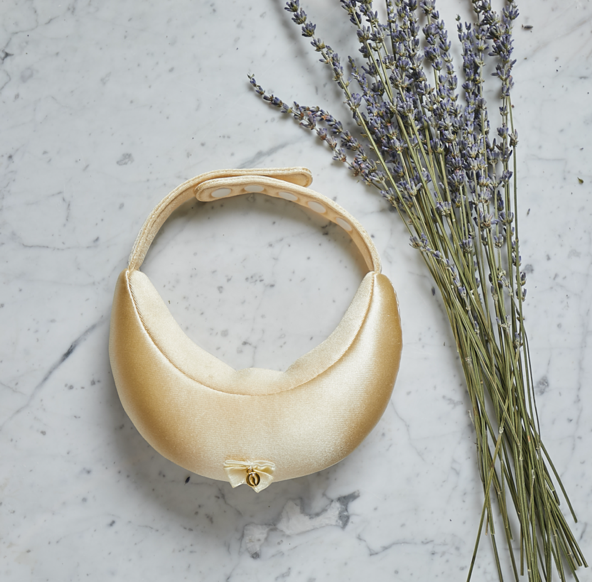
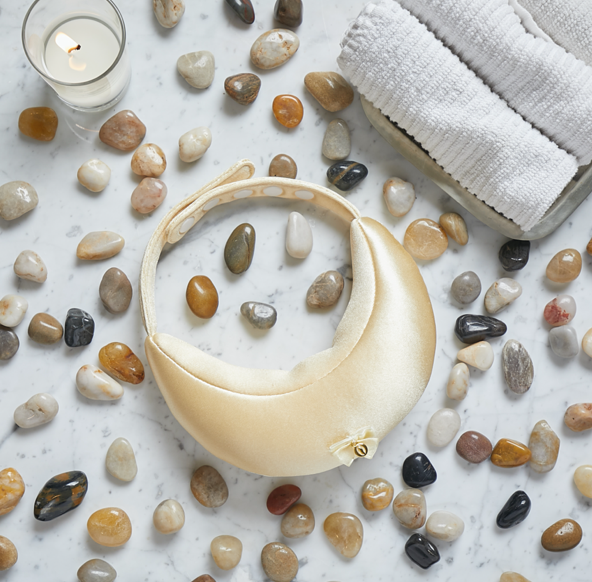
Intimia® Breast Pillow
Related Articles
- Get rid of chest wrinkles: how-to — Discover how to get rid of chest wrinkles with our comprehensive guide on effective treatments and the best ways to remove chest wrinkles today!
- How sleep affects skin: prevent wrinkles — Discover how sleep affects skin health and why a good night's rest is essential for reducing wrinkles and fighting skin aging.
- Best anti wrinkle cream neck-chest — Discover the best anti wrinkle cream for neck and chest. Explore our top picks for smoothing wrinkles and rejuvenating your skin today!
- Chest wrinkle cream: best options ranked — Discover the best chest wrinkle cream to rejuvenate your skin. Explore top anti-wrinkle options for the chest area and achieve a youthful glow!
- Neck and chest wrinkle treatment: 5-step — Discover the best neck and chest wrinkle treatment to prevent and reduce wrinkles. Explore creams and tips for youthful-looking skin!
Want to discover flawless skin with Intimia? Shop now here: here