Prevent Chest Wrinkles While Sleeping
Discover how to prevent chest wrinkles while sleeping with simple tips to avoid chest wrinkles and enhance your sleep wellness. Click to learn more!
How to prevent chest wrinkles while sleeping: simple, non-invasive solutions that work
I’m Irene Komsky, and I’ll start with a scene I know too well.
One morning, a few years ago, I leaned into the bathroom mirror and saw it—those faint, vertical lines running down my chest. Not dramatic. Just... there. Like someone had sketched them overnight while I wasn’t looking.
“Did I always have those?” I asked my reflection.
Silence. Of course.
If you’re over 35, you probably know that exact moment. Learning how to prevent chest wrinkles while sleeping starts with those early whispers on your skin. Chest wrinkles from sleeping can steal that smooth décolleté we all love, but small, realistic changes really do help you avoid chest wrinkles and stop chest wrinkles before they settle in for good.
Chest wrinkles from sleeping, also called sleep lines, show up on the décolleté—the upper chest and cleavage area. Unlike facial wrinkles from smiles or frowns, these come from mechanical pressure. When you sleep on your side or stomach, the skin folds and compresses under the weight of your breasts. The décolleté skin is thin and delicate, much like the neck, so it creases easily. You can read more about how fragile this area is in this overview of décolletage skin.
After 35, these overnight lines don’t bounce back as fast. Natural collagen loss thins the skin and slows repair. Years of sun—the “I’ll just skip SPF today” years—make those creases set as permanent chest wrinkles from sleeping. The biology behind this is simple and slightly rude: collagen dwindles, elasticity drops, and wrinkles stay. If you want the science, there’s a good breakdown here on collagen loss and wrinkle formation and how it ties into premature aging after 35.
The upside? You can absolutely prevent chest wrinkles while sleeping with easy, at-home shifts. A little sleep position strategy. A bit of support. Smarter skincare. Softer bedding. These non-invasive habits help you avoid chest wrinkles and stop chest wrinkles from deepening. In this guide, I’m walking you through what I use myself and what I suggest to my own customers—step by step, no drama, no needles.
Section 1: what causes chest wrinkles from sleeping? understanding the science of sleep lines
Let’s pull back the curtain. Not on your life, just on your sleep lines.
Chest wrinkles from sleeping are a specific type of wrinkle. They’re mechanical—created by repeated folding and pressure. We’re not talking about expression lines or sun-only damage, though they like to join the party later. If you’re curious about the categories, this guide on different types of wrinkles and what causes them lays it out nicely.
Here’s what really happens. When you sleep on your side or stomach, gravity pulls the top breast downward. That drag compresses the cleavage skin and forms vertical folds between the breasts. Night after night, hour after hour, those folds press into the deeper layers of skin. Slowly, they etch into lasting lines. Healthline explains this in more detail in their piece on chest wrinkles and sleep positions, and let me tell you—once you visualize that fold, you can’t unsee it.
After 35, things speed up in the wrong direction. Collagen and elastin drop. Skin loses bounce. Chest skin—already thin—gets drier, more fragile, easier to crease. Sun damage from our tank-top years breaks down collagen even more and adds little pigment spots that make lines look deeper. If you want a deeper dive, Cleveland Clinic has a good overview on neck and chest aging and key ingredients that help, plus a straight-talking article on sun damage and how it changes skin over time. There’s also a useful summary of how wrinkles actually form in the skin layers.
Daytime slouching creases the chest too—but those are shallower, shorter hits. Chest wrinkles from sleeping are deeper because you’re lying there for six, seven, eight hours in nearly the same pose. Sleep is one-third of your life; posture is important, but night habits are powerful. Posture and décolletage guides keep reminding us of that for a reason.
The fix isn’t exotic. To prevent chest wrinkles sleeping, you change the mechanics—how your skin folds, or doesn’t, at night. Understanding the cause gives you your leverage.
Section 2: why your sleeping position matters for preventing chest wrinkles
Let me confess something: I was a committed side sleeper. Arms wrapped around the pillow. One knee up. Classic “human shrimp” position.
And I paid for it on my chest.
Your sleep stance shapes chest wrinkles from sleeping more than any cream in your bathroom. To prevent chest wrinkles sleeping, you don’t have to become a statue—you just have to get strategic.
Side sleeping presses the breasts together, especially if you have a fuller bust. The top breast falls forward; the lower one pushes up. That pressure deepens vertical cleavage lines. Loose sleepwear, no support, or even the wrong bra can exaggerate the pull. A good explanation of how this compression works is in this Healthline piece on compression wrinkles on the chest.
Back sleeping, on the other hand, is the quiet hero. Chest faces the ceiling, free from pressure, folds, and sheet friction. Bonus: it helps with facial wrinkle prevention and can be kinder to your spine. Beauty sleep guides consistently point to back sleeping as the gold standard for skin.
But let’s be real—telling a lifelong side sleeper to “just sleep on your back” is like telling a coffee lover to “just switch to decaf.” So we do it gradually:
- Place a small pillow or rolled towel under your knees. It softens lower-back strain and makes back sleeping feel grounded, not exposed.
- Try a wedge pillow to slightly elevate your head. This can ease snoring or reflux—less tossing, fewer surprise side rolls.
- Line your sides with pillows, like soft guardrails. When you try to roll, your body meets a barrier and thinks, “Fine, I’ll stay put.”
Start with the first half of the night on your back, then let yourself turn if you must. Progress, not perfection. There’s a nice, simple rundown of these tricks in this piece on sleep position tips that support beauty sleep.
If you’re a side sleeper with medical reasons—apnea, pregnancy, or just a back that complains loudly—don’t panic. You can still prevent chest wrinkles while sleeping. You’ll lean more on support tools, which we’ll get into next. You can still avoid chest wrinkles, even if back sleeping is just not happening right now.
Section 3: supportive sleepwear & devices to prevent chest wrinkles while sleeping
Here’s the part where modern life actually helps us.
Mechanical support—little gadgets and designs—steps in when changing your position feels like wrestling with a stubborn cat. These tools reduce folding and compression to prevent chest wrinkles sleeping and stop chest wrinkles from deepening. Healthline has a clear overview of these options in their article on mechanical support for chest wrinkles.
Think of them as training wheels for your décolleté:
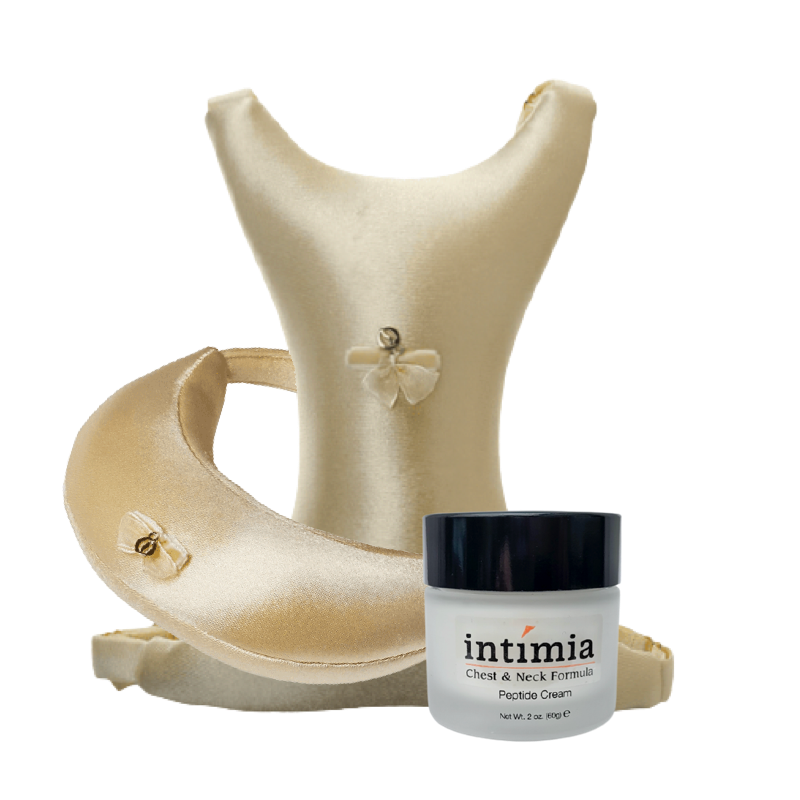
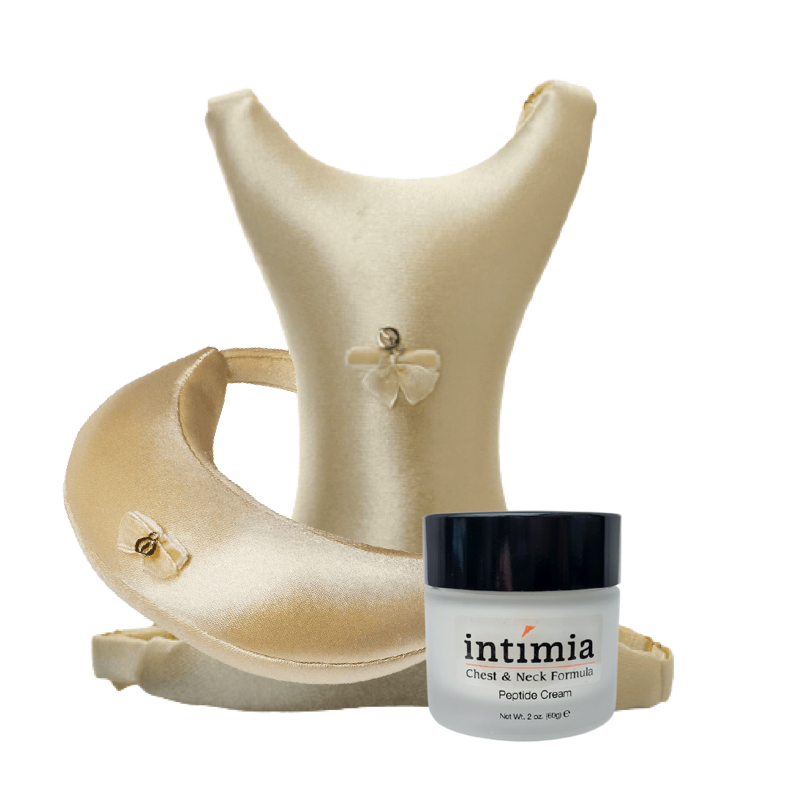
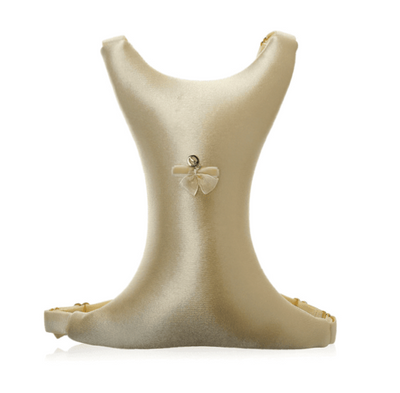
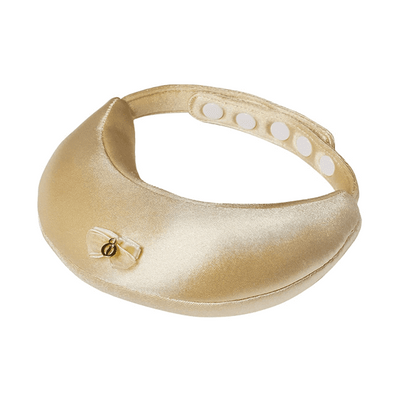
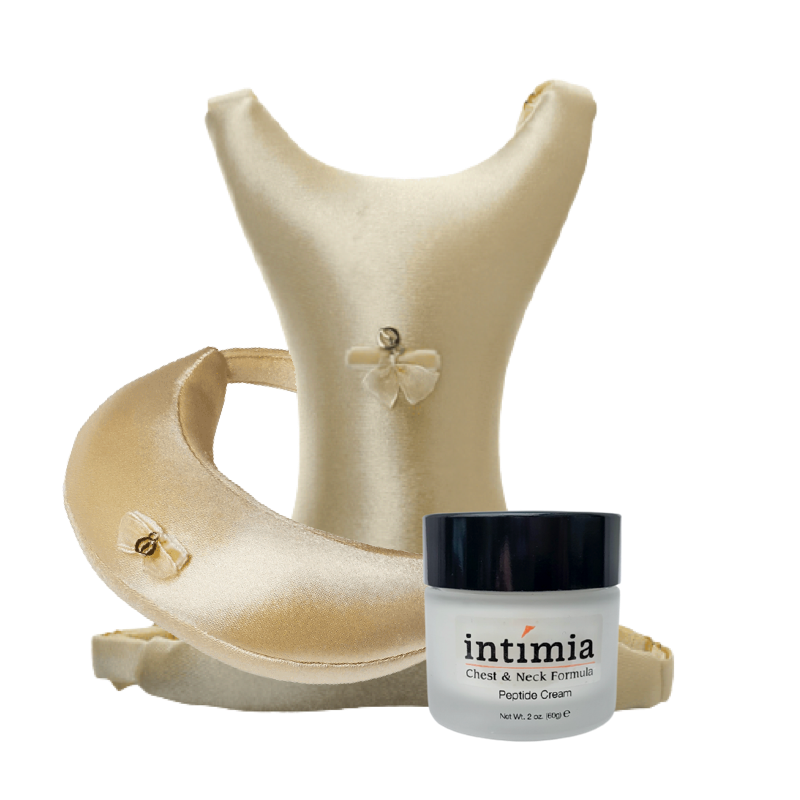
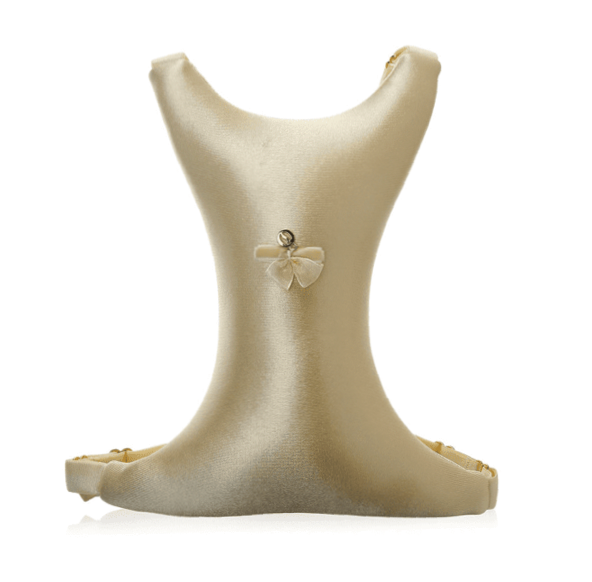
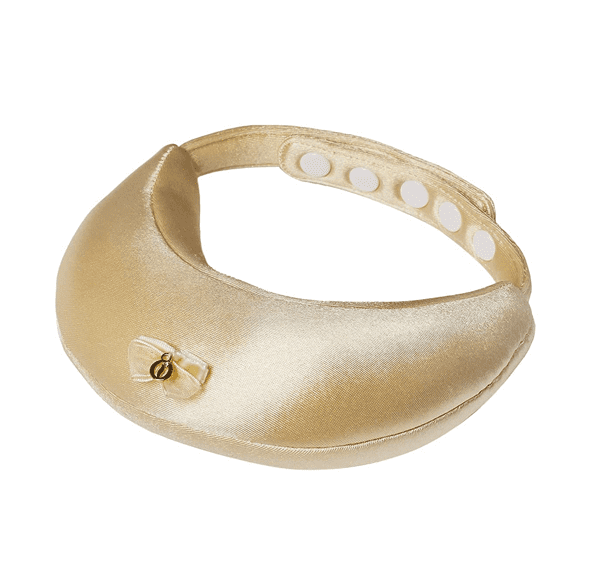
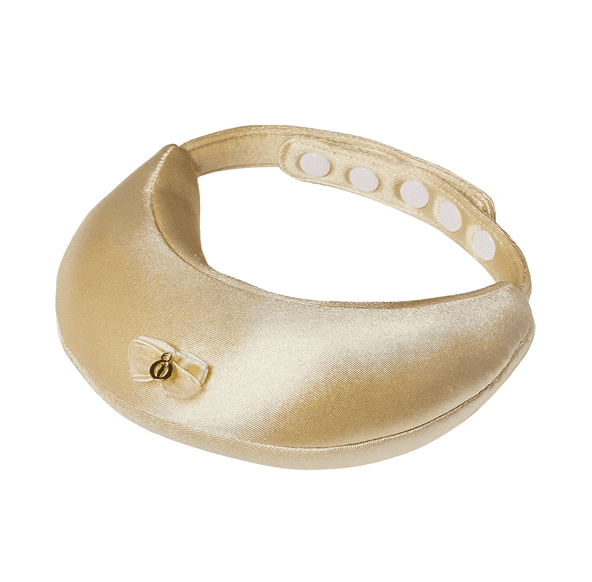
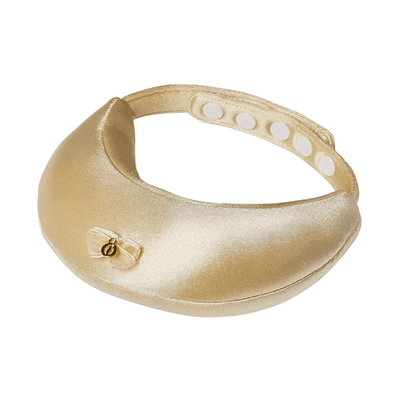
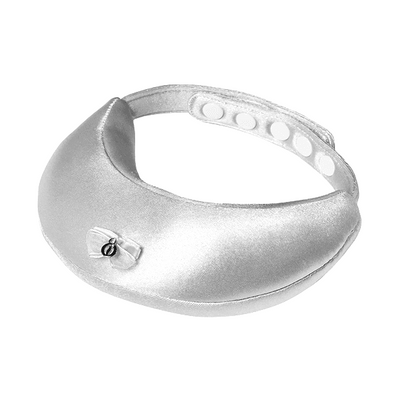
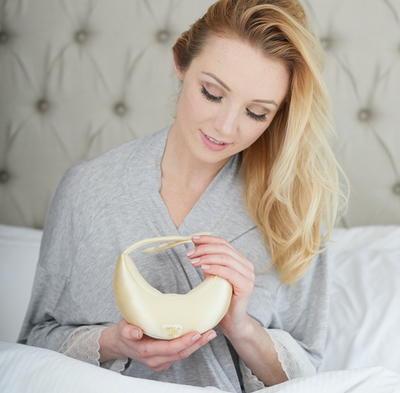
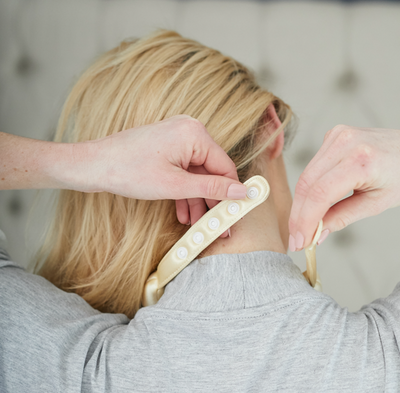
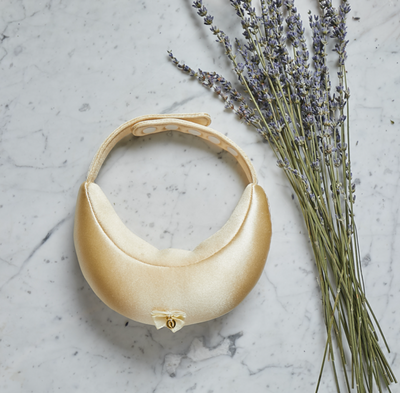
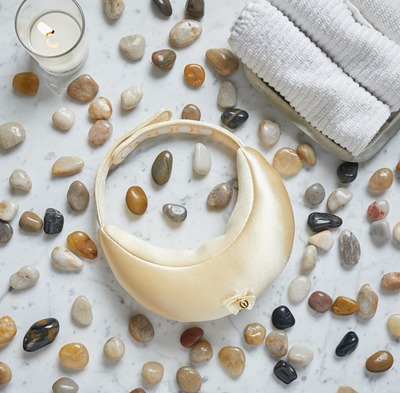
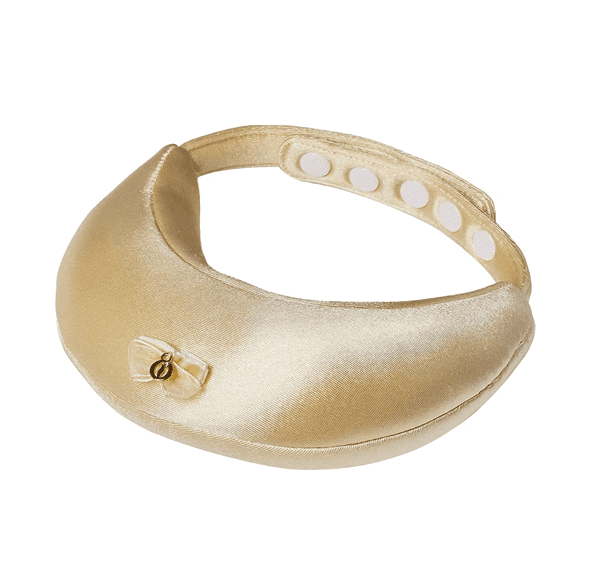
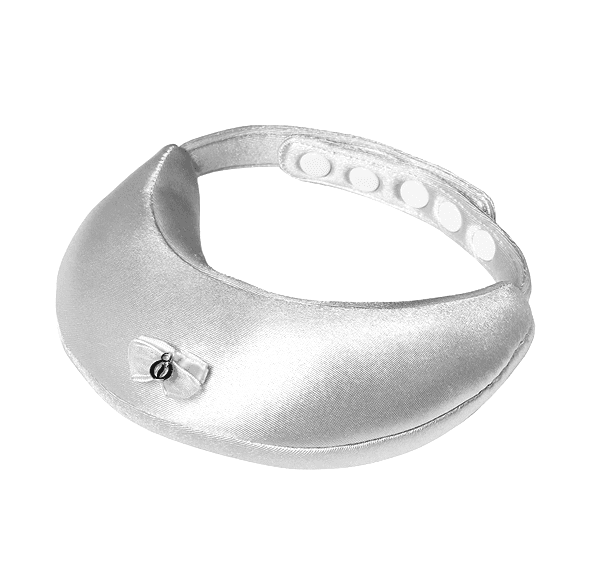
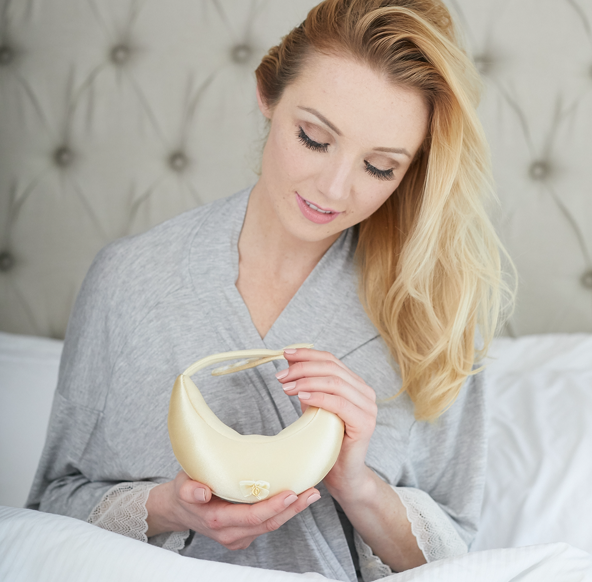
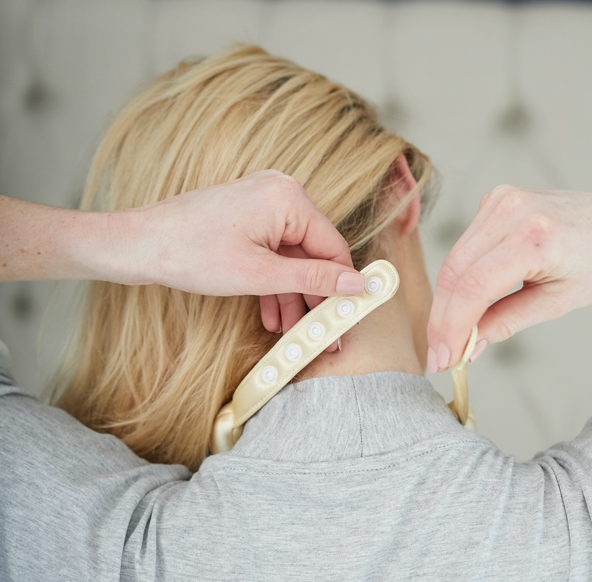
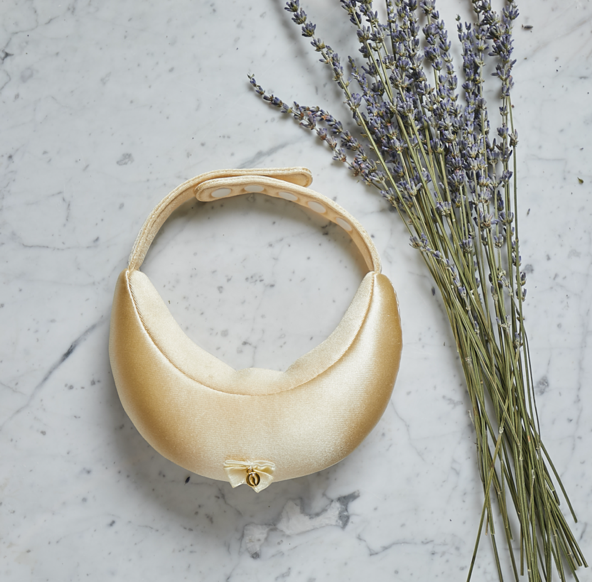
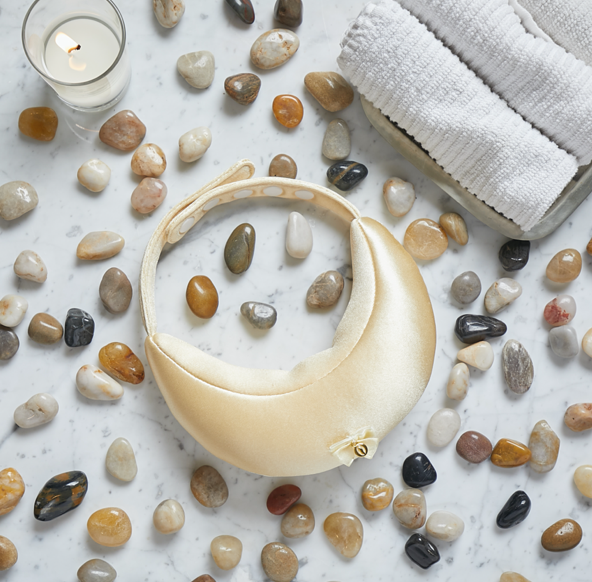
Chest pillows and anti-wrinkle sleep bras. These are designed to keep breasts separated so the cleavage skin can lie flat, especially when you’re on your side. No-wire sleep bras hold the breasts apart gently; some designs use a small cushion or foam piece in between to block compression. The fit should feel secure but soft—no digging, no suffocating. Women over 35 with fuller busts usually notice the difference fastest.
Silicone décolleté pads. Medical-grade silicone pads—like SilcSkin and similar products—sit directly on the chest. You apply them to clean, dry skin before bed. They flatten the area and act like a tiny shield, so the skin can’t fold into deep creases overnight. They also help hold moisture in, giving that plumper, smoother morning look we love. Both Medical News Today’s review of wrinkle treatments and Healthline’s guide to chest silicone pads and how they work support their use as a non-invasive option.
A few practical rules I use myself and pass on:
- Choose breathable fabrics—cotton blends, modal, bamboo—for bras or tops. They wick moisture and reduce irritation.
- Avoid tight bands, rough seams, or anything that digs into the shoulders or ribcage. You want support, not punishment.
- Apply silicone pads only on dry, product-free skin. Oils, thick creams, or serums underneath can break the adhesive and irritate skin.
- Start a few nights per week. Watch your skin for redness or itchiness. Adjust frequency or switch products if needed.
- Give any new bra or chest pillow at least a couple of weeks. The first night feels odd. The third night feels normal. The tenth night feels like protection.
These tools help you prevent chest wrinkles while sleeping in a way that feels doable—so the habit actually sticks.
Section 4: nighttime skincare routine to avoid chest wrinkles and support results
Now we’re in my favorite territory: jars and bottles.
Skincare alone won’t erase a deep sleep crease, but paired with mechanics it can absolutely help you avoid chest wrinkles and keep the skin itself stronger, bouncier, more resilient. It supports everything else you’re doing. Dermatology sources like WebMD keep reminding us that topicals have limits but still play a key role in wrinkle care.
Here’s the nighttime chest routine I use—and that I gently bully my friends into:
Step 1: cleanse gently. Whatever you’re using on your face? Take it down to your neck and chest, as long as it’s non-stripping. Remove SPF, sweat, and city dust so your actives can actually reach the skin. Healthline’s guide to caring for the décolletage is a good reminder that this area deserves the same love as your face.
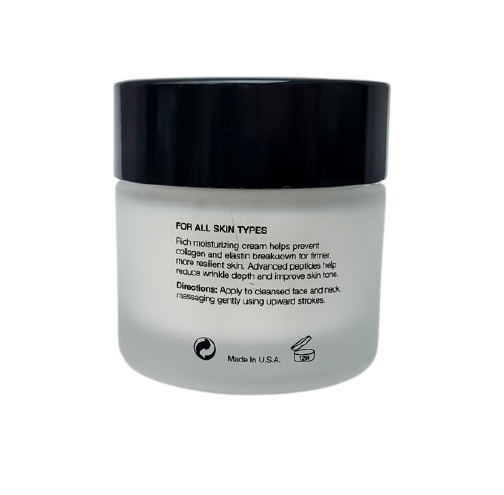
Step 2: hydrate and boost collagen.
- Hyaluronic acid (HA): A light HA serum pulls water into the upper layers of the skin and plumps fine lines. Especially helpful if your chest looks a bit deflated or crêpey. Many wrinkle guides, like this one from Medical News Today, list HA as a key hydrating player.
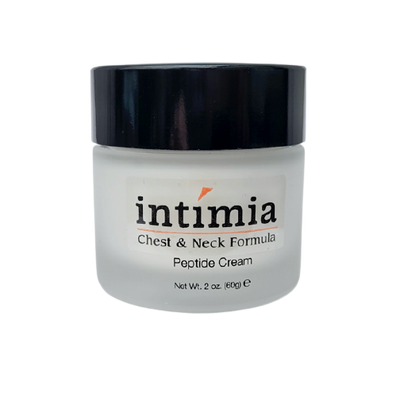
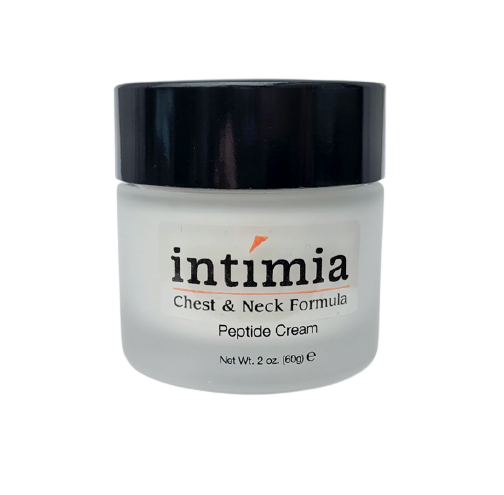
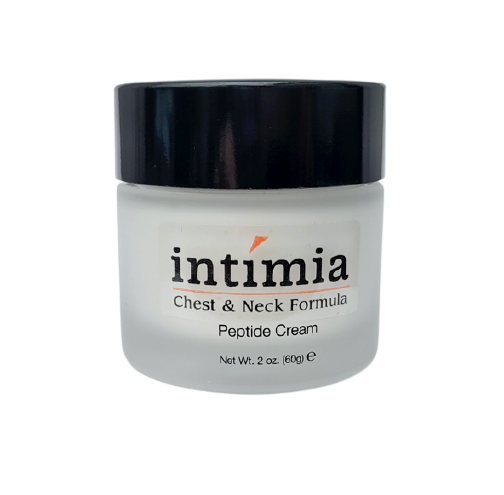
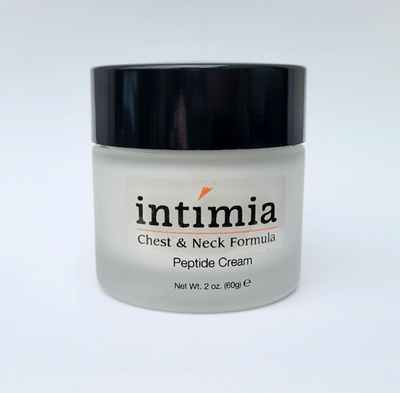
- Peptides: These short amino acid chains nudge the skin to build more collagen and elastin over time. Post-35, especially on the chest, peptides are like that reliable friend who shows up quietly and consistently. Cleveland Clinic’s piece on best neck and chest ingredients puts peptides high on the list.
- Gentle retinoids: Vitamin A derivatives (retinol, retinal, etc.) help smooth texture and support collagen. But the chest is sensitive, so start low and slow—maybe one to two nights a week. Use a pea-size amount for both neck and chest, and never layer it right before a day in strong sun. You can read more about retinoids for wrinkles and how experts recommend using them on neck and chest skin.
- Ceramides: Think of these as tile grout for your skin barrier. They keep moisture in and irritants out—which is essential if you’re also using pads or sleep bras. Cleveland Clinic’s article on repairing sun-damaged skin highlights barrier-repair ingredients like ceramides as core support.
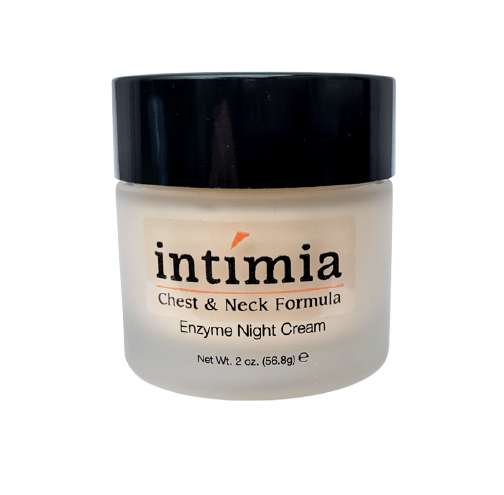
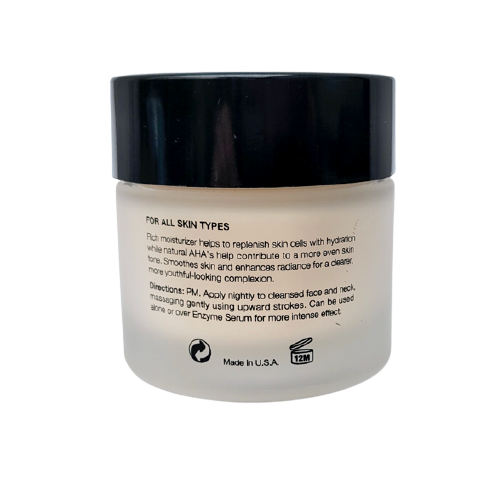
Step 3: seal with a rich cream. At night, your chest appreciates a slightly thicker cream than in the morning. If your skin runs very dry, a whisper-thin layer of petrolatum on top (only if you’re not using silicone pads) can lock everything in. Medical News Today’s overview of wrinkle treatments notes that plain moisturization still matters more than we like to admit.
Apply everything in gentle upward motions—no harsh rubbing, no yanking at that delicate skin. Consistency matters more than perfection. Give it a few weeks and watch the surface texture soften, even if the deepest lines take longer.
One important detail from the trenches: if you’re using silicone pads, avoid strong actives (like retinoids or acids) underneath. They can press those ingredients deeper and irritate the skin. Save the heavy hitters for pad-free nights.
When you prevent chest wrinkles sleeping, skincare isn’t the star—it’s the supporting actress who quietly steals the scene by the end of the movie.
Section 5: bedding choices that help prevent chest wrinkles while sleeping
I once stayed at a hotel where the sheets felt like they’d been ironed with sand. I woke up with folds across my chest that looked like topographical maps.
Fabrics matter.
Rough, stiff bedding creates friction. When you shift at night, your skin drags, tugs, and twists against the fabric—and that doesn’t help when you’re trying to prevent chest wrinkles while sleeping. Beauty sleep articles, like this one from Healthline on fabrics and skin, often point out how much texture and material can influence lines over time.
A few upgrades that make a difference:
- Silk or satin pillowcases. These reduce friction dramatically, so your face and chest glide rather than drag. If you’re a restless sleeper, they’re almost non-negotiable. Healthline goes into the perks in their guide to pillowcase benefits for skin and hair.
- Soft, breathable sheets. High-thread-count cotton, bamboo, or Tencel feel gentle and keep the skin cooler. Overheating means sweating; sweating means irritation and more rubbing against the sheets.
- Pillow and mattress alignment. A too-high pillow pushes your head forward, rounding your shoulders and subtly crushing the chest. The right pillow height keeps your neck aligned with your spine. A supportive—but not concrete—mattress lets your shoulders sink just enough so your chest isn’t twisted.
Healthline’s sleep posture piece on how sleep setups affect beauty and Cleveland Clinic’s insights on comfort for crepey, fragile skin both echo this: kinder bedding equals kinder mornings.
To avoid chest wrinkles, let your bed feel less like a training camp and more like a cloud that respects your skin.
Section 6: lifestyle & posture habits that support chest wrinkle prevention 24/7
Now we zoom out from the bedroom.
Because your chest doesn’t just live at night. The way you hold yourself in daylight either un-does or amplifies all that careful nighttime work.
First, posture. You know the pose: shoulders rolled forward over a laptop, chin jutted, chest collapsed.
Slouching crushes your chest skin into subtle but constant folds. To stop chest wrinkles, try micro-corrections through the day:
- Roll your shoulders back and let them relax down—not rigid, just open.
- Keep your ears stacked over your shoulders, not in front of them.
- Lift your screen to eye level instead of dropping your head to the screen.
Set reminders. Use sticky notes. Or do what I do: every time you check your phone, do a quick shoulder roll and lift your chin. Healthline’s overview of décolletage posture and care is a helpful nudge to treat this area as part of your overall alignment.
Then, the inside-out support:
- Hydration. Water won’t erase wrinkles, but dehydrated skin looks older, faster. Aim for steady sipping through the day.
- Antioxidants. Berries, leafy greens, citrus, nuts—these feed your collagen from the inside. Vitamin C helps build it; vitamin E helps shield it from oxidative stress. Both Medical News Today and WebMD highlight nutrition as a quiet but important partner in wrinkle prevention.
And of course—sun. Our best friend, our worst habit.
To avoid chest wrinkles, your SPF has to reach your chest every single morning, not just when you’re going to the beach. Use SPF 30+ broad spectrum, and if your skin is sensitive, look for mineral formulas with zinc oxide or titanium dioxide. Cleveland Clinic’s guide to sun damage and protection and WebMD’s piece on UV-related wrinkles both hammer this home for a reason.
A few more helpers:
- Wear V-neck or scoop-neck clothing, but keep a light scarf or a wide-brim hat handy on strong sun days.
- Build upper-back and chest strength with rows, presses, push-ups, or band pull-aparts. Better muscle tone gives your skin structure, so it doesn’t hang and fold as easily. Cleveland Clinic touches on this in their overview of lifestyle changes that help slow early aging.
- Protect your sleep itself. Seven to nine hours gives your skin time to repair. Healthline’s beauty sleep article talks about how nighttime is prime time for skin recovery.
None of these habits are glamorous. But together, they quietly prevent chest wrinkles while sleeping by giving your skin the tools—and the time—to bounce back.
Section 7: when to consider professional help (and when you don’t need it)
There’s a moment when we all look in the mirror and ask, “Is this still a ‘home project,’ or do I need to bring in professionals?”
If your chest wrinkles from sleeping linger all day, even after hydration and good sleep, or if you see sunspots and significant laxity, a professional consult can be smart. Not urgent. Just informed. Sources like Medical News Today lay out when in-office treatments may make sense for more established wrinkles.
Options you might hear about:
- Laser treatments. Non-ablative or fractional lasers can stimulate collagen in the deeper layers. IPL (intense pulsed light) can help with pigment and redness. Again, the same review of wrinkle treatments gives a solid overview.
- Microneedling. Fine needles create controlled micro-injuries that kickstart repair and collagen production. WebMD has a straightforward explanation of microneedling for wrinkles and texture.
- Chemical peels. Light peels can gently resurface the chest, improving texture and mild pigmentation. They’re usually done in a series, not a one-time miracle.
- Injectables. In some off-label cases, dermatologists use neuromodulators, skin boosters, or fillers to smooth specific lines. Always, always choose a board-certified dermatologist or experienced aesthetic physician for this route. WebMD’s advanced wrinkle treatment guide walks through pros and cons.
But here’s something I’ve seen again and again—often, you don’t need any of that.
Most women 35+ can avoid chest wrinkles and stop chest wrinkles from worsening dramatically with simple but consistent home routines:
- A more protective sleep position.
- Supportive sleep bras or chest pillows.
- A thoughtful nighttime skincare routine.
- Good sun habits and posture.
Professional help is there if you want it. But don’t underestimate what your own daily choices can do. Home care realistically improves the majority of chest wrinkles from sleeping—and even when lines stay, they soften, and your skin looks more alive.
Conclusion: a simple night routine to prevent chest wrinkles while sleeping
If you’re still with me, let’s gather all of this into something you can actually do tonight.
Chest wrinkles from sleeping start with nightly folds—made worse after 35 by dropping collagen and old sun damage. But they’re not a life sentence. Consistent tweaks can prevent chest wrinkles while sleeping, prevent chest wrinkles sleeping, avoid chest wrinkles, and stop chest wrinkles from racing ahead. There’s good evidence that even simple routines can improve lines over time, as outlined in reviews like this one on wrinkle improvement with at-home care.
Here’s your night checklist—your little ritual of rebellion against gravity:
- Step 1: adjust your position. Spend more time on your back if you can. Use pillows under your knees and at your sides. If you must sleep on your side, keep your spine straight and your shoulders relaxed, not hunched forward.
- Step 2: add support. Use a soft sleep bra, chest pillow, or silicone décolleté pad to keep the skin from folding on itself.
- Step 3: skincare. Cleanse gently. Apply hyaluronic acid, then peptides or a gentle retinoid, plus ceramides. Seal with a richer moisturizer that your skin actually enjoys.
- Step 4: bedding. Switch to a silk pillowcase. Soften your sheets. Make sure your pillow and mattress support your posture, not sabotage it.
Start with one change tonight—just one. Maybe it’s the silk pillowcase. Maybe it’s finally extending your skincare down to your chest. Maybe it’s that slightly awkward but very helpful sleep bra.
Give it a few weeks. Watch your chest in the morning. Notice how the lines fade a bit faster. How fewer of them stick around.
And if one morning you wake up and your décolletage looks absolutely flawless—no folds, no lines at all—just pause for a second and make sure you didn’t somehow spend the whole night sleeping perfectly on your back. It happens. Rarely. Like a little miracle.
Either way, you’ll know this: you’re not at war with your chest. You’re just learning to take care of it the way it always deserved—quietly, consistently, on your own terms.
Related articles
- Chest wrinkles: best prevention tips — Discover effective solutions for chest wrinkles and learn how to prevent a wrinkly chest at any age.
- Get rid of chest wrinkles: how-to — Explore effective treatments and the best ways to remove chest wrinkles in our comprehensive guide.
- Fine lines on chest: prevention tips — Learn strategies to combat fine lines on the chest and prevent chest wrinkles for a more youthful appearance.
- Deep chest wrinkles: effective treatments — Discover effective treatment options for deep chest wrinkles and regain your skin's youth.
- Chest wrinkles from sun damage: repair — Find out how to combat chest wrinkles from sun damage and explore the best creams and treatments.
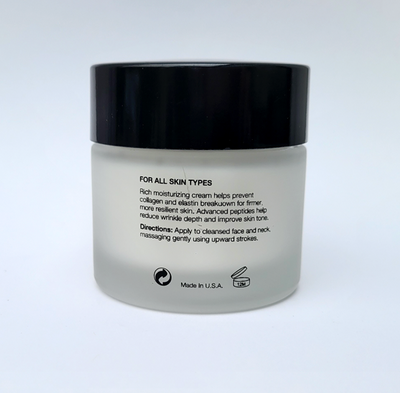
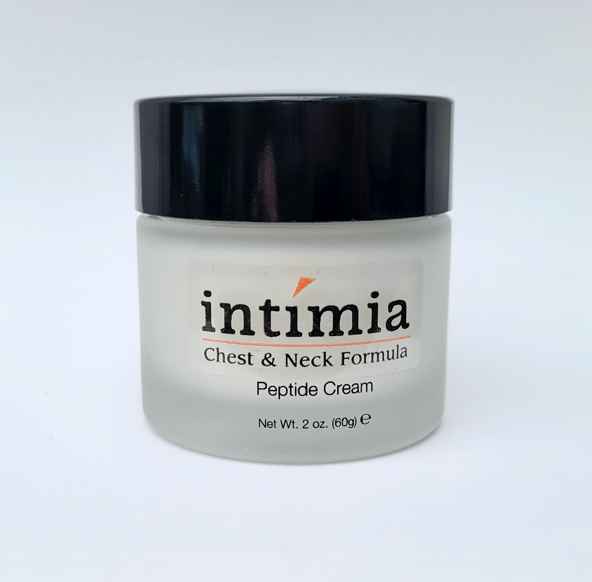
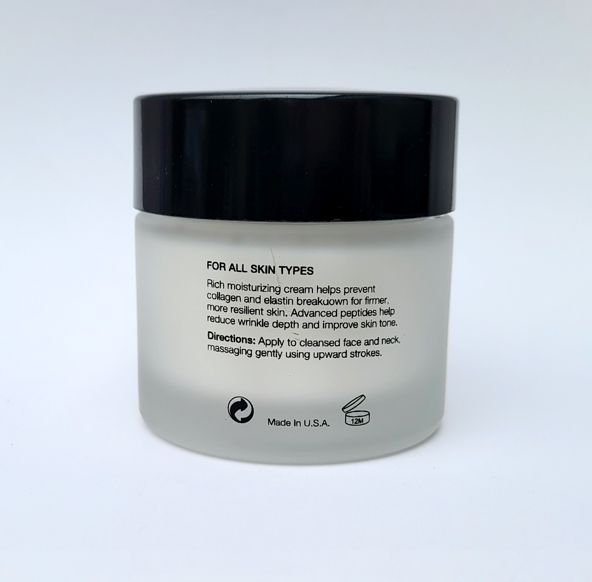
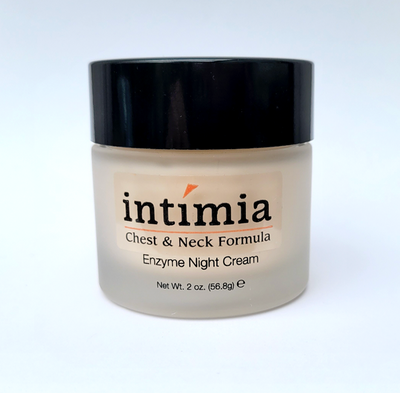
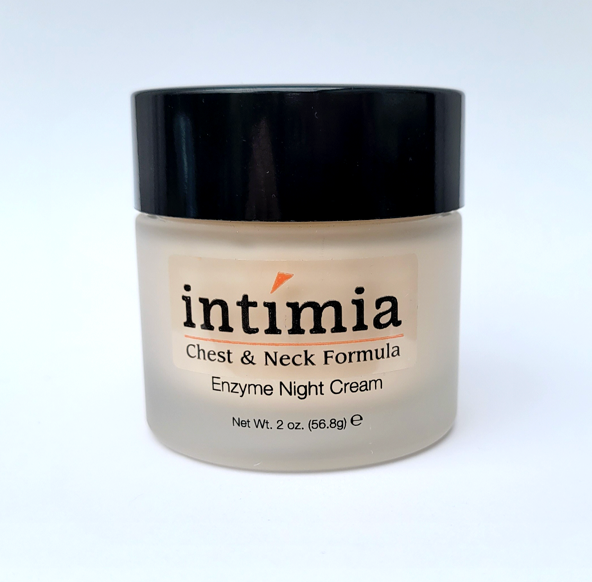
Want to discover flawless skin with Intimia? Shop now here: here